

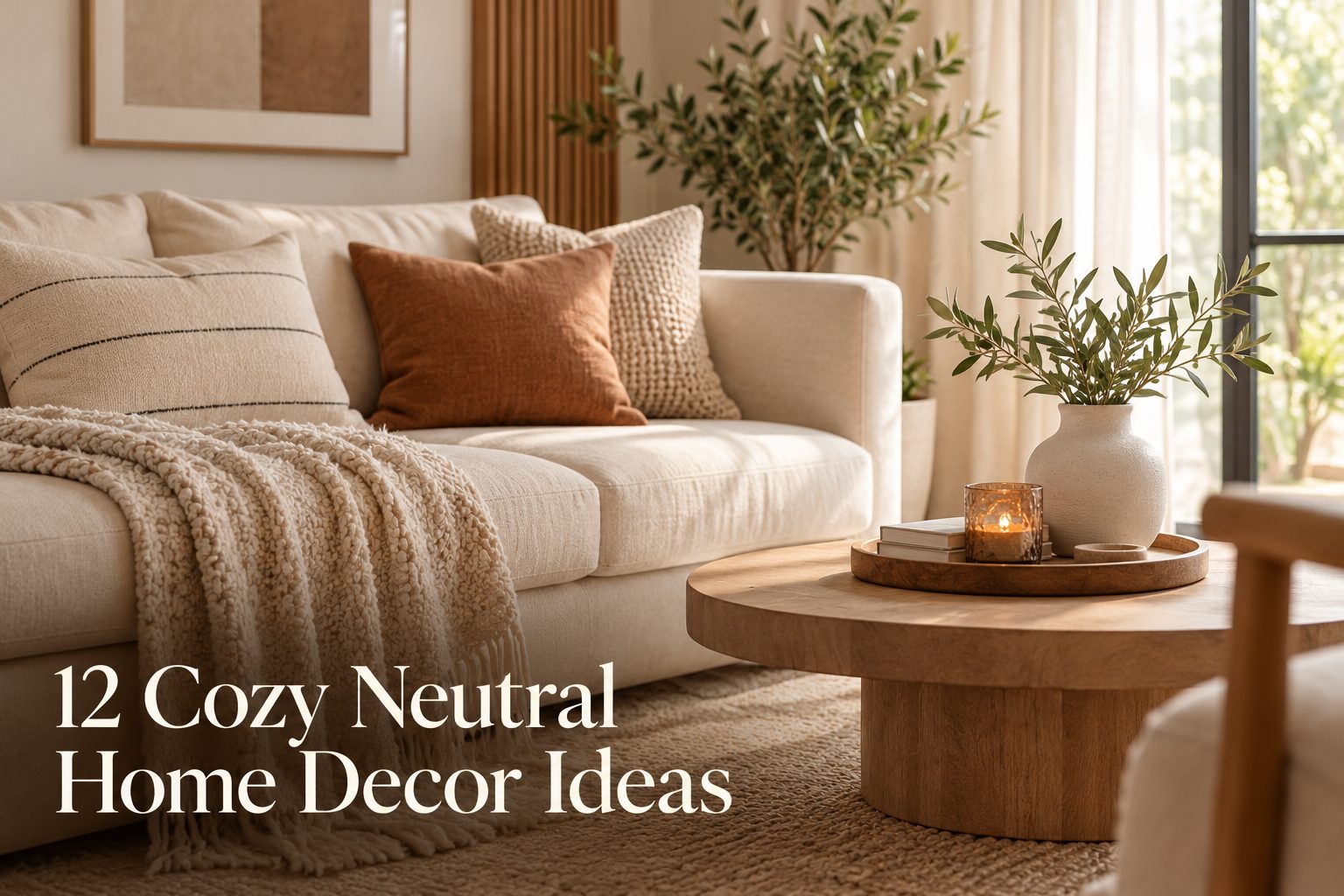
A neutral room can look beautiful in a photograph and still feel strangely cold in real life. You know the look: pale sofa, white walls, beige cushions—and somehow the whole space feels more like a furniture showroom than somewhere you would curl up with a book.
The problem usually isn’t the neutral colors. It’s that everything has the same temperature, texture, and visual weight. Cozy neutral home decor works when a room has softness, contrast, a little character, and enough breathing room to appreciate them.
I prefer a simple approach: use what you already own, change the light before replacing the furniture, and buy only accents that solve a specific styling problem. These 12 cozy neutral home decor ideas bring an elegant minimalist aesthetic to apartments, rental homes, and small living rooms without demanding an expensive makeover.
How to Make Neutral Home Decor Feel Cozy, Not Boring
The quick answer: combine two or three related neutral shades, at least three different textures, warm layered lighting, and one darker grounding detail. Repeat materials instead of collecting random accessories. Leave some surfaces empty.
Here is an easy starting palette:
| Main color | Supporting neutral | Grounding accent | Mood |
|---|---|---|---|
| Warm ivory | Oatmeal | Walnut brown | Soft and timeless |
| Mushroom beige | Linen | Charcoal | Modern and tailored |
| Greige | Cream | Aged brass | Quietly elegant |
| Sand | Taupe | Deep olive | Earthy and relaxed |
Those are combinations, not rigid rules. Before buying anything, photograph your room in daylight and again with the lamps on. If your sofa looks warm beige but the rug turns blue-gray after sunset, you’ll know why the pieces seem disconnected. Sherwin-Williams explains how undertones and lighting affect neutral colors.
1. Build a Layered Neutral Color Palette Instead of Matching Everything
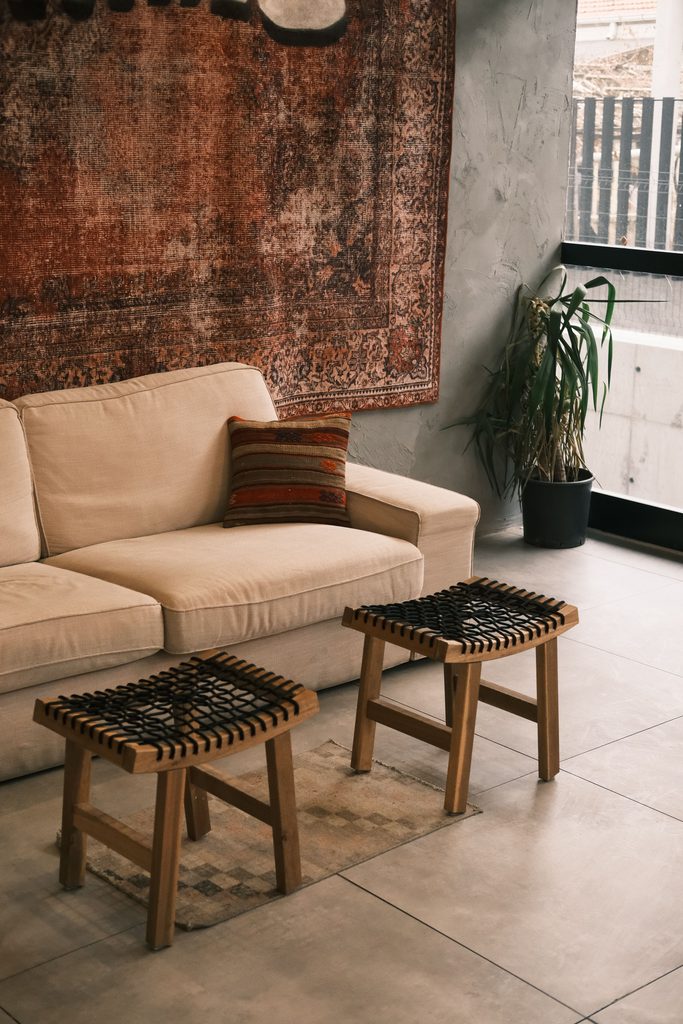
Matching every beige item sounds safe, but it often creates the flatness you’re trying to escape. Try a three-tone palette instead: one light base, one middle shade, and one deeper anchor. Think cream walls, an oatmeal sofa, and a walnut side table. The furniture doesn’t need to match; the room needs a relationship between its colors.
Start with the largest things you cannot easily change—flooring, cabinets, sofa, and walls. Then choose pillow covers, a rug, or a throw that bridge their undertones. A warm tan rug beside a cool gray sofa can feel awkward; a greige textile with both tones may connect them.
Try this for $0: gather three items you already own that share warm or cool undertones and arrange them together. Move the outlier elsewhere. Edit before you shop.
2. Add Linen-Look Curtains to Soften Hard Edges
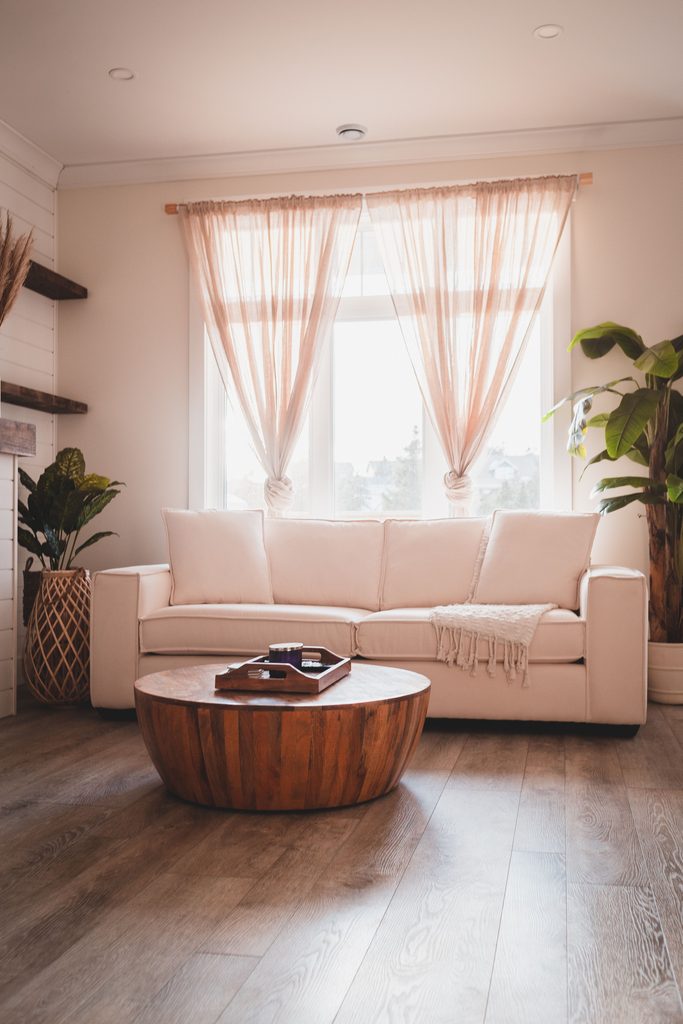
Curtains cover a surprisingly large part of what you see in a room. Heavy, dark panels can dominate a tiny apartment; bare blinds can make it feel unfinished. Relaxed linen-look curtains in ivory, flax, or oatmeal soften windows without introducing a busy pattern.
Choose panels that fall close to the floor and have enough fullness to hang in gentle folds. If you have an existing rod, use it. If you rent, get permission before drilling and check whether a correctly fitted tension rod is suitable for your window. Keep fabric clear of heaters and vents.
I especially like curtains that are slightly different from the wall color. White-on-white can disappear, but a soft flax panel against warm white adds depth in daylight and a cozy frame at night. You get a noticeable change without replacing a single piece of furniture.
3. Mix Pillow and Throw Textures, Not More Patterns
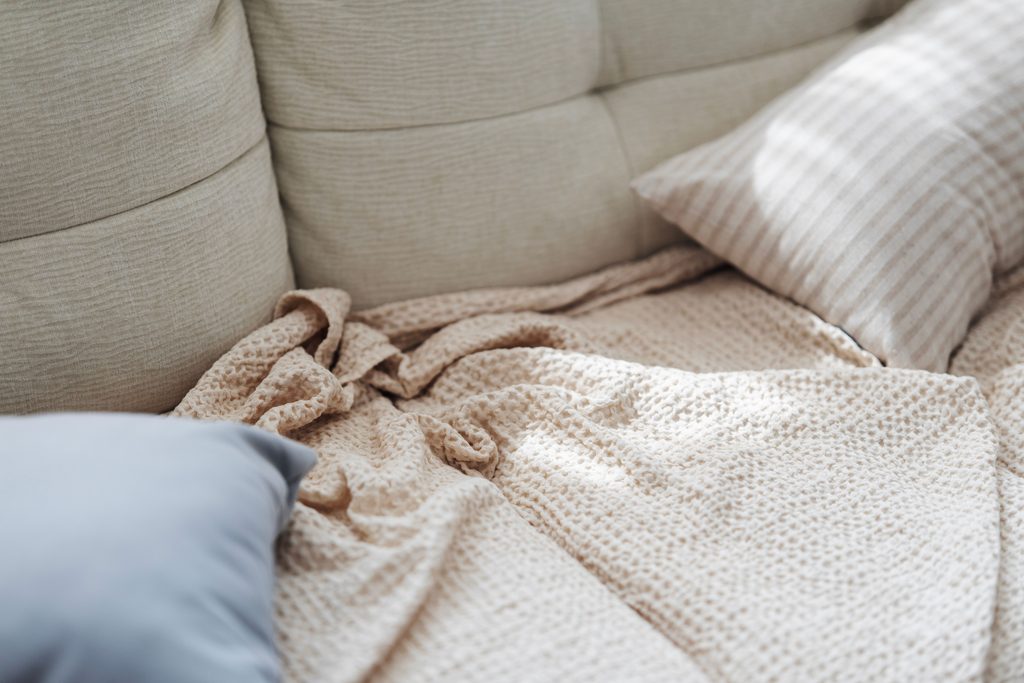
An elegant minimalist sofa doesn’t need twelve cushions. Two or three thoughtfully chosen textures are usually stronger than a matching pile. Pair a smooth cotton cushion with a nubby woven cover, then fold a knit or brushed throw over one arm. The textures should be easy to notice even when their colors are similar.
A useful combination is one structured square pillow, one softer lumbar pillow, and a single throw. On a very small loveseat, two pillows may be enough. Keep the sitting space usable; comfort is the point, not an obstacle course of decorative cushions.
Budget tip: shop for removable pillow covers before buying new inserts. If your current pieces are in good condition, a fabric swap may be all the refresh you need. For more bedroom-focused layering, see 15 cozy budget bedroom ideas for small apartments.
4. Ground the Room With a Soft, Subtle Neutral Rug
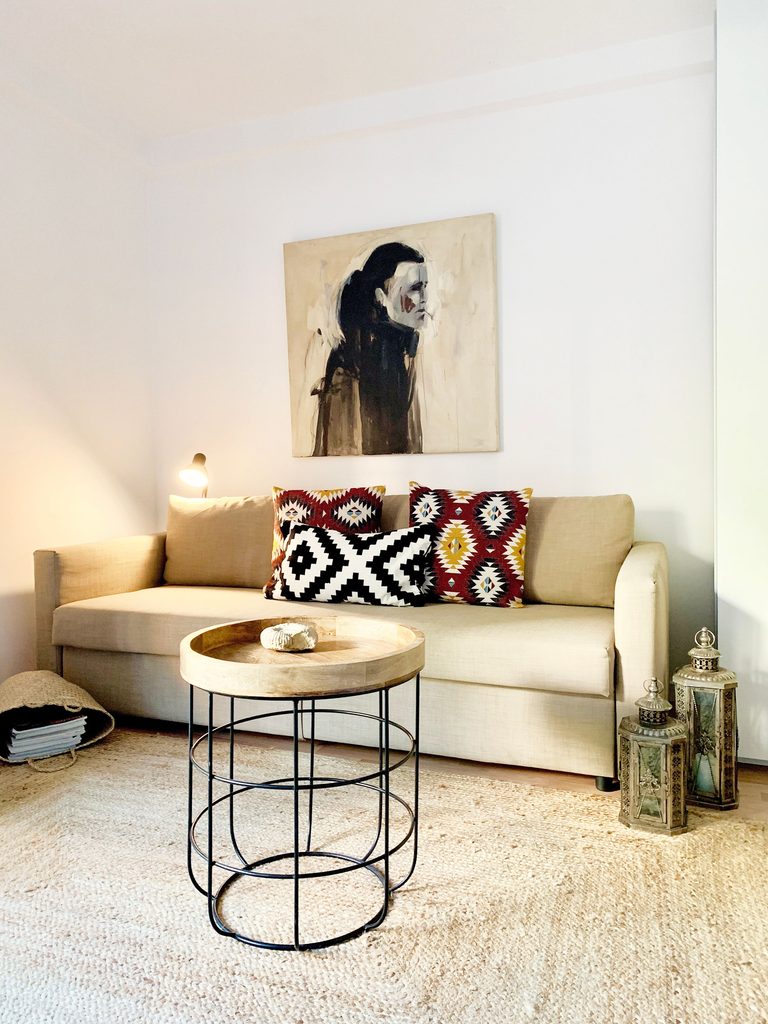
A rug can make mismatched furniture feel like one considered grouping. Look for gentle texture or a low-contrast pattern: faded stripes, small-scale geometric details, woven flatweave, or a plush solid with subtle color variation. Bright white is not always practical, particularly near a dining table or a busy entryway.
Size matters more than the prettiness of the product photo. In a living room, aim for a rug that at least catches the front legs of the main seating where space allows. A tiny rug floating between the furniture can make the whole arrangement feel disconnected.
If you already have a workable rug, don’t replace it automatically. Try moving the sofa forward, rotating the rug, or changing the cushion colors first. Use a suitable nonslip pad if needed, especially over smooth flooring. Minimalism should make the room easier to live in, not more slippery.
5. Bring in Warm Wood With One Useful Accent
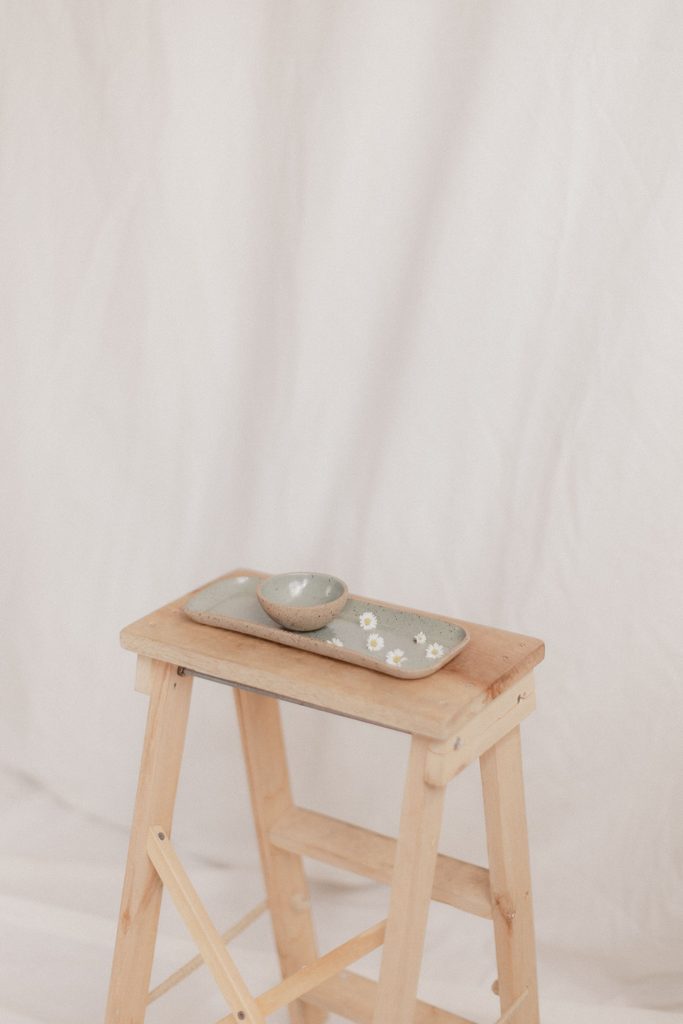
Natural wood is one of my favorite ways to keep a neutral room from looking washed out. A honey-oak stool, walnut picture frame, small secondhand side table, or wooden tray introduces warmth that flat paint and synthetic fabrics cannot quite imitate.
You do not have to replace your furniture with matching oak pieces. In fact, a little variation in wood tone often gives a room more character. Repeat the same wood family twice—perhaps a dark frame and a small side table—so the material feels intentional.
Before buying, ask what the new piece will actually do. A stool that holds books and doubles as extra seating earns its space. A decorative wooden object with no useful home may not. For low-cost finds, browse our guide to thrifted decor trends for small apartments.
6. Choose One Sculptural Ceramic Vase Instead of Many Tiny Ornaments
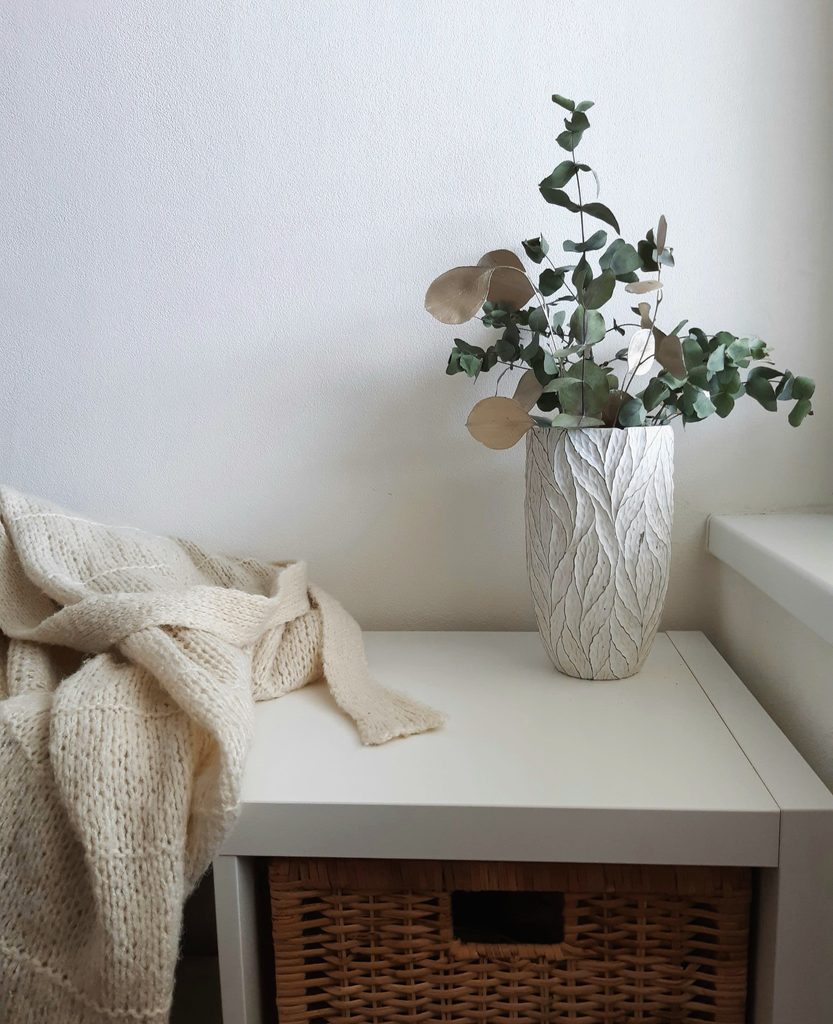
Minimalist accents look more expensive when they have room to be seen. Rather than spreading five miniature decorations across a shelf, choose one pleasingly shaped ceramic vase or bowl. Matte ivory, speckled stoneware, chalky taupe, and soft brown work beautifully in a cozy neutral scheme.
Shape is as important as color. A rounded vessel softens a room full of rectangular furniture; a tall, narrow vase brings height to a low console. Try an asymmetrical arrangement with a single branch instead of a tight bunch of artificial flowers.
Here is my shelf test: stand in the doorway. If you cannot tell what the focal object is, remove something. The empty space around a vase is part of the composition. Architectural Digest’s discussion of decorating with neutrals also emphasizes how restrained color allows materials and sculptural forms to stand out.
7. Swap Harsh Overhead Light for Two Softer Light Sources
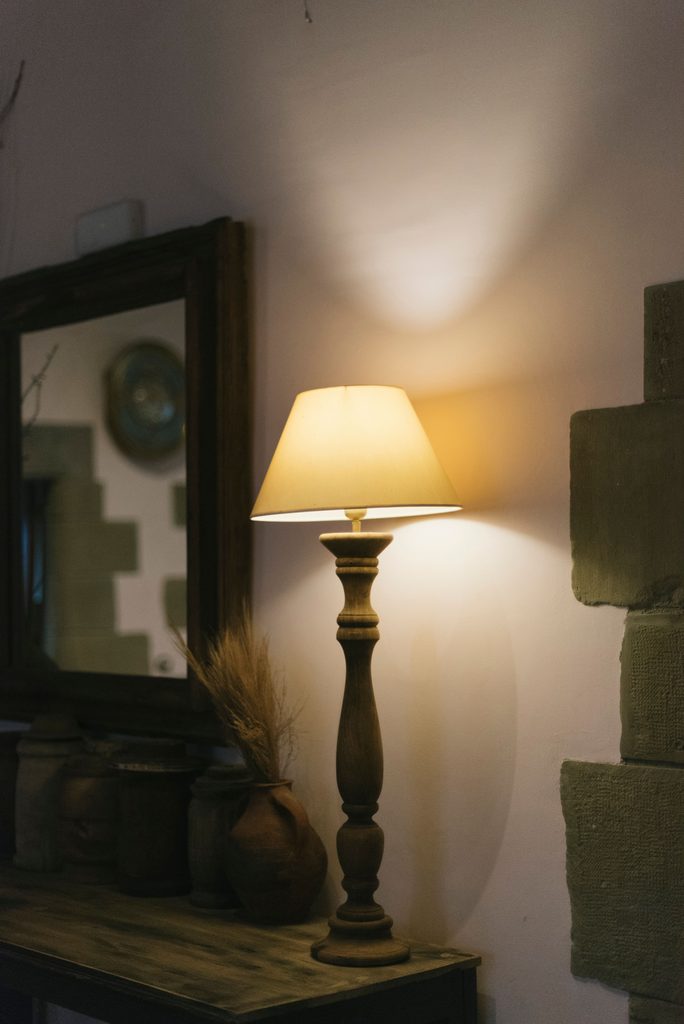
If a neutral room looks beautiful during the day and lifeless at night, suspect the lighting before the color scheme. One bright overhead fixture can flatten texture and throw awkward shadows. A shaded table lamp beside the sofa and a floor lamp near a reading chair create separate pools of warmth.
Look for diffused shades made from fabric, frosted glass, or another material designed for the lamp. Warm-white LED bulbs around 2700K–3000K are a useful starting point for a relaxed living room, though the best choice depends on how you use the space. Check the fixture’s bulb and electrical requirements.
Renters don’t need to hardwire a thing for this effect. Our guide to lighting a dark rental without hardwiring covers plug-in and rechargeable options, including their mounting limitations. Good lighting does more for warm minimalism than another bag of beige accessories.
8. Hang One Oversized, Quiet Piece of Art
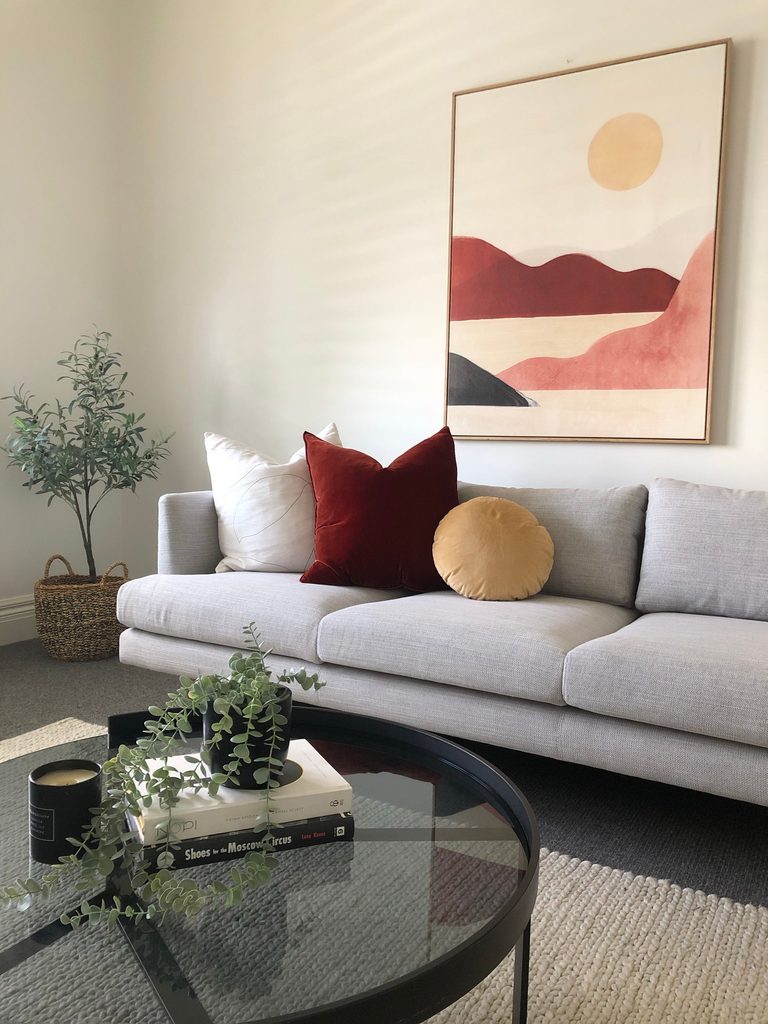
Neutral walls don’t require empty walls. They require a little selectivity. One substantial piece of artwork can give the eye somewhere to rest without cluttering the room with dozens of small frames. Consider an abstract landscape, textured paper print, botanical sketch, or photograph in muted tones.
Choose art because it resonates with you, not merely because it matches the couch. A piece with a little charcoal, olive, or rust can add personality while still feeling calm. Frame it in light oak, dark wood, or a simple metal finish that repeats something elsewhere in the room.
If drilling isn’t permitted, use an existing picture ledge or a stable freestanding display. Don’t assume adhesive hooks are appropriate for heavy frames. Our guide to hanging heavy decor without drilling explains why the item’s weight and the wall surface must determine the method.
9. Use a Woven Basket to Hide Everyday Visual Clutter
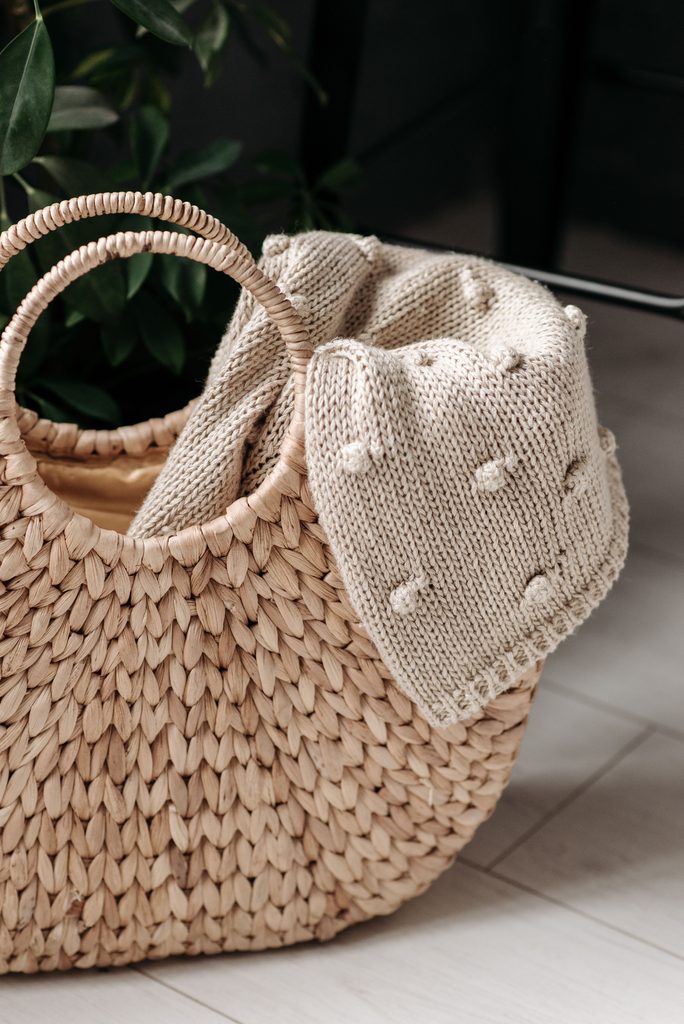
Nothing undermines the calm of a minimalist room faster than a pile of chargers, spare blankets, and unopened mail. A woven basket is useful because it adds tactile warmth while giving those loose objects somewhere to go.
Choose one basket for one job: throws beside the sofa, shoes near the entry, or toys by the living-room shelving. Seagrass, jute, and fabric-look baskets suit neutral decor, but check for scratchy edges on delicate floors and snag-prone textiles. A lidded version is better for small items that never look tidy, even when organized.
My rule is simple: storage should reduce what you see, not become another thing you have to decorate. If three tiny baskets are taking up a shelf, one larger closed container may do the work better. Start with the clutter you already have, then choose the container.
10. Create a Small Coffee Table Vignette With a Tray
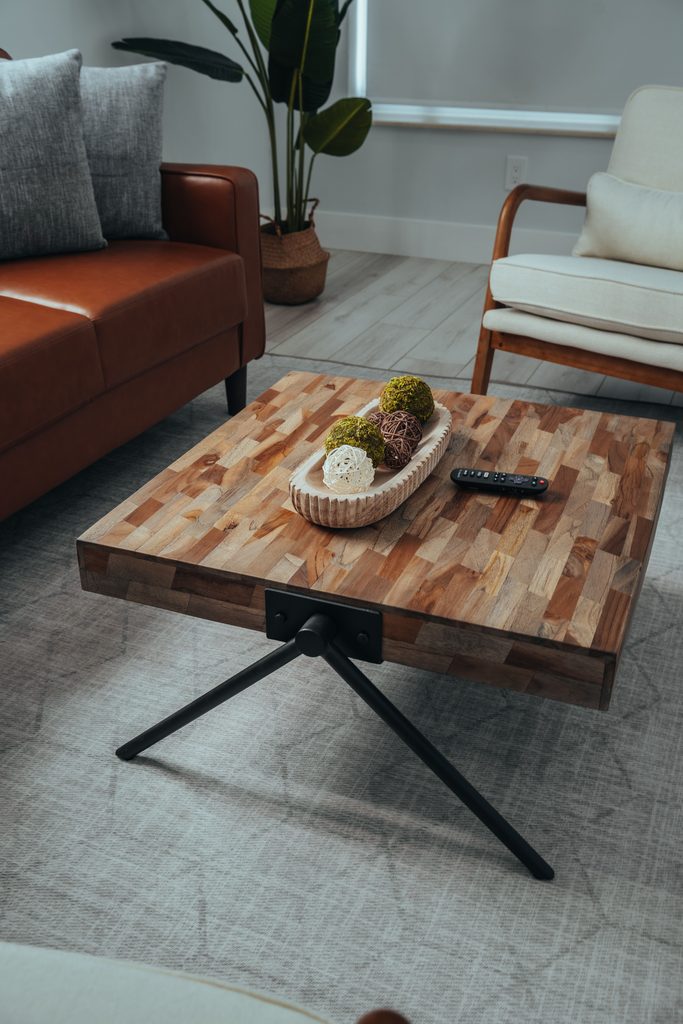
The polished coffee tables in interior photos usually rely on a simple idea: keep the objects connected. A tray creates a visual boundary for a candle, small dish, or vase, making a few unrelated things look composed rather than scattered.
For everyday life, I would stop at three elements: something low and practical, something with height, and one interesting texture. Try a neutral tray, a tiny ceramic bowl for remotes or keys, and a short branch in a vase. Leave clear space for drinks and books. If you have children or pets, avoid unstable arrangements and open flames.
You can make the arrangement for free with a tray, shallow dish, or hardcover book you already own. The point isn’t to imitate a styled photograph exactly. It’s to create a surface that looks good when the room is being used.
11. Add Restrained Greenery or Dried Branches
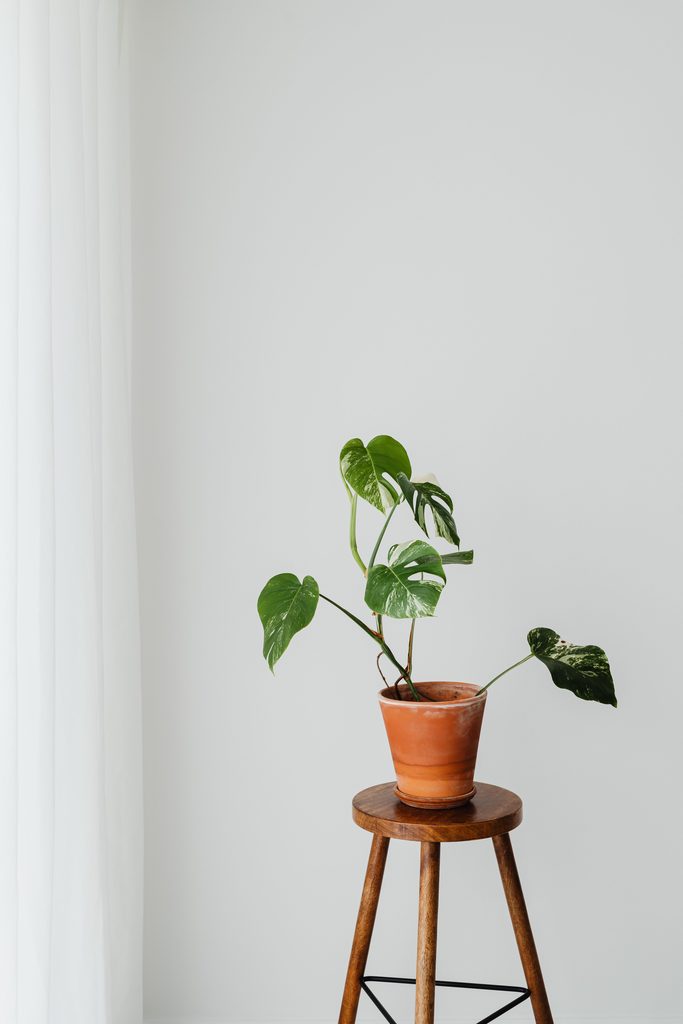
Cream, beige, and taupe become more interesting when something organic interrupts the straight lines. One olive branch, a leafy plant, or a modest arrangement of dried grasses can make a room feel less manufactured. Green is a natural companion to warm neutrals, but you don’t need to transform the apartment into a greenhouse.
Scale the greenery to the space. On a small shelf, one short stem in a sturdy vase is enough. In an empty living-room corner, a taller plant can provide height without adding another piece of furniture. Choose a real plant for your available light and care routine; faux branches are perfectly reasonable where conditions are poor.
Check plant toxicity if you share the home with pets. Also avoid arranging dry stems near candles or hot bulbs. An elegant space still has to function safely when the camera is put away.
12. Finish With One Dark Accent That Grounds Everything
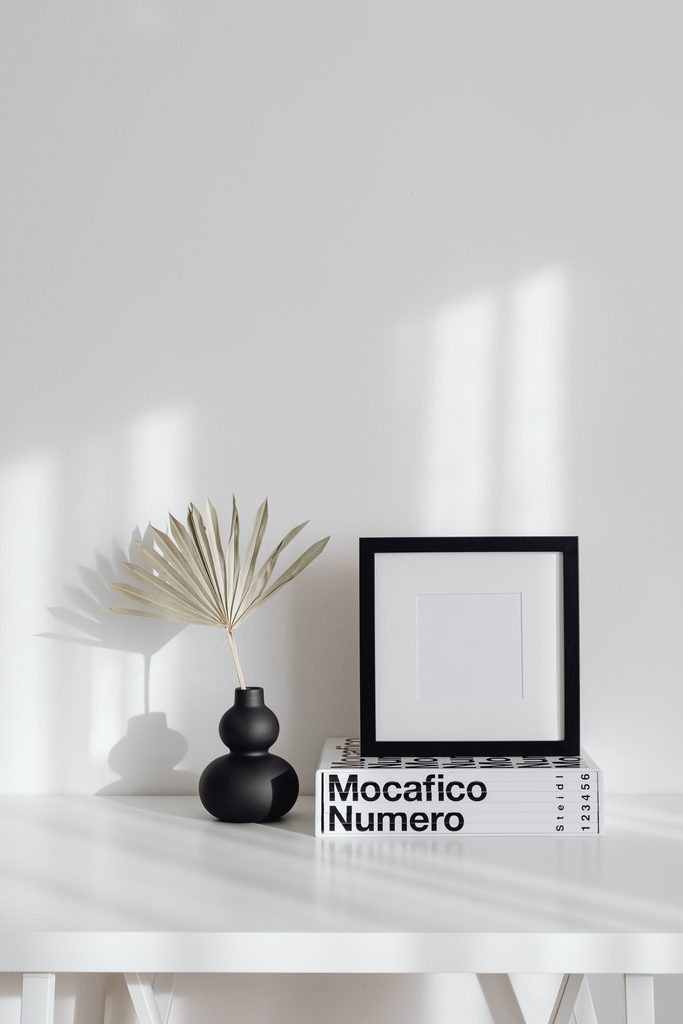
Here is the step I wouldn’t skip: add one small amount of depth. Too many creamy objects at similar brightness can blend together, no matter how expensive they are. A charcoal frame, dark walnut lamp base, bronze handle, or deep olive cushion gives the eye a reference point.
This doesn’t mean throwing black accessories around every room. Choose a dark note you already have—perhaps the coffee table legs—and repeat it once at another height. That small connection makes the palette feel deliberate.
Try looking at a photograph of the room in black and white. If almost everything merges into one pale band, you may need contrast more than more decor. This is also why warm minimalist interiors often rely on layered tones and material differences, not an endless collection of matching cream objects.
Cozy Neutral Styling Ideas by Room
Living room: start with the rug and sofa you have. Add a textured throw, one wood accent, and a table lamp. Use a tray to keep the coffee table functional. For particularly compact layouts, our budget-friendly small apartment decor guide offers more no-renovation strategies.
Bedroom: make the bed the focal point with cream bedding, one contrasting textured throw, and a warm bedside light. Keep the nightstand mostly clear. If you want a softer personal retreat, explore cozy bedroom ideas for women living alone.
Entryway: a wooden bowl for keys, one framed piece, and an easy-to-clean runner can establish the same palette in very little space. Add closed shoe storage before decorating the top of it.
A $0, $35, and $100 Neutral Decor Refresh Plan
These are illustrative U.S. spending caps, not current product quotes; thrift availability and local prices will vary.
- $0 refresh: move the lamp to a darker corner, edit crowded shelves, group existing objects by undertone, and fold a throw where it adds texture.
- Up to $35: choose one gap to fix—pillow covers, a thrifted lamp (after checking the cord and electrical safety), or a neutral ceramic piece. Don’t split the budget across five forgettable decorations.
- Up to $100: prioritize one anchor, such as a useful rug, secondhand table, or curtain panels, if you find a suitable option within budget. Save part of the budget for hardware, safe mounting, or a rug pad.
Notice what isn’t on the list: replacing your sofa because a mood board showed a different shade of oatmeal.
Three Mistakes That Make Neutral Rooms Feel Cold
Everything is the same shade. Introduce a darker anchor and two related midtones instead of buying more white.
Everything has the same surface. Mix matte pottery, woven fabric, and visible wood grain. A room can be color-coordinated and still be texturally dull.
Every surface is filled. Leave a little negative space. If an accessory doesn’t add usefulness, texture, memory, or beauty, it doesn’t automatically deserve a place.
Frequently Asked Questions About Cozy Neutral Home Decor
What colors make a neutral home feel cozy?
Warm ivory, oatmeal, sand, taupe, mushroom, and soft greige are versatile starting points. Add walnut, charcoal, or muted olive for grounding contrast. Check undertones in your actual daylight and evening lighting rather than choosing everything from one online photograph.
How do I decorate a beige living room without making it boring?
Keep the beige base but change the feel of the materials. Add a textured rug, a wood side table, a fabric-shaded lamp, and one piece of art with slightly deeper color. Resist buying more beige ornaments. Variation in shape, depth, and texture is what brings the room to life.
Can minimalist home decor still feel warm and inviting?
Absolutely. Minimalism is about choosing intentionally, not removing every comforting detail. A sofa with a soft throw, a warm reading light, and a useful side table can feel more welcoming than a room packed with matching accessories. Comfort and simplicity can coexist.
How can renters create a cozy neutral aesthetic without painting?
Work with portable layers: curtains where properly supported, rugs, pillow covers, freestanding lamps, woven storage, and artwork displayed safely. Check your lease and mounting instructions before altering walls. Your neutral look should be able to move with you.
What should I buy first for a neutral room on a budget?
Buy nothing until you’ve identified the problem. If the room feels cold after sunset, prioritize lighting. If the furniture seems disconnected, try a rug or textile that links the undertones. If it feels crowded, edit and organize first. Spend on the change with the clearest purpose.
The Cozy Neutral Look Is Built, Not Bought
The best cozy neutral home decor ideas don’t ask you to erase your personality or own a perfectly beige house. They ask you to choose what matters: softer light, useful pieces, tactile materials, and a little contrast. Pick one of the 12 ideas this weekend, make the room more comfortable, and stop when it feels like yours. That is the elegant minimalist aesthetic worth keeping.
You May Also Like
Color Drenching on a Budget: ...
26 June 2026
Afrohemian Decor on a Budget ...
25 June 2026
Book Drenching on a Budget: ...
25 June 2026
Popular Post


Leave a Comment